What Is the Best CNC Machining Center from China?
Choosing the best CNC Machining Center from China requires more than comparing prices and spindle speeds. A reliable decision begins with the workpiece, tolerance, material, batch size, and available floor space. Steel parts may demand rigid casting, high torque, and stable thermal control. Aluminum production often benefits from faster spindle speeds, efficient chip removal, and responsive tool changes. In a real workshop, details become visible quickly. Coolant mist, measured vibration, and packed chips tell a clearer story. These observations matter more than polished photographs. No single model wins every job. That is the difficult part.
This guide examines Chinese manufacturers through practical and verifiable signals. It considers machining accuracy, guideway design, control systems, spindle performance, service response, spare-parts access, and operator training. Factory audits, sample cutting tests, inspection records, and customer references can reveal more than brochures. Certifications support confidence, but they do not replace production evidence. Buyers should request tolerance results from comparable materials and ask how suppliers handle failures after installation. A lower quotation may hide shipping, software, tooling, or commissioning costs. We will compare machine types honestly, while acknowledging uncertain data and regional service limits. Some recommendations may need revision as technology, prices, and supplier capabilities change. Careful questions usually produce the strongest answer.
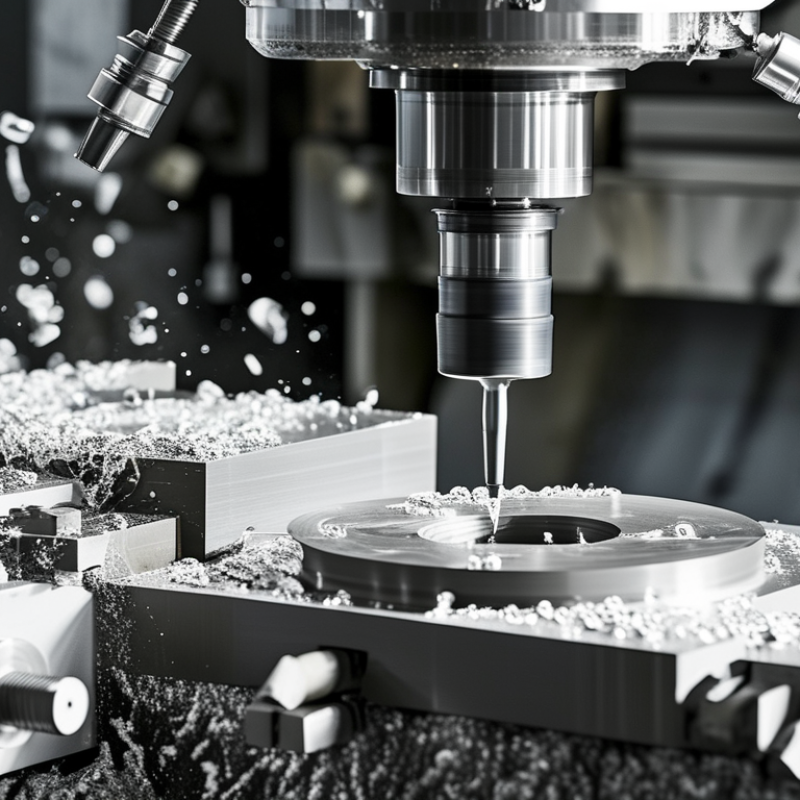
What Defines a CNC Machining Center: Axes, Spindles, and ISO 230-2 Accuracy
What Is the Best CNC Machining Center from China?
A CNC machining center is defined by its motion, cutting system, and measured performance. Three axes control length, width, and height. Four- and five-axis machines add rotary movement for angled surfaces and complex parts. More axes do not automatically create better results. They must remain synchronized under cutting loads.
The spindle determines how the machine behaves at the tool. High speed suits aluminum and small cutters. Strong torque supports steel, deep cuts, and large tools. Check the spindle taper, power curve, cooling method, and maximum speed. A high speed figure alone can mislead. Thermal growth may shift the tool center after several hours. Temperature testing matters.
ISO 230-2 evaluates positioning accuracy and repeatability through controlled axis movements. It does not guarantee perfect parts in every cutting condition. Ask for recent test data, measurement equipment details, and environmental conditions. Check whether results cover the full travel range. A machine may perform well near its center but weaken at the stroke ends. That detail is easy to miss.
In practical evaluations, axis backlash, guideway smoothness, and servo tuning often matter more than impressive specifications. Observe a circular interpolation test and inspect the finished surface. Listen for vibration during rapid acceleration. Request a sample cut using your material and tooling. The result may reveal weaknesses that a factory acceptance sheet hides. Even careful selection has uncertainty. Installation, foundations, coolant control, and operator skill can change real accuracy significantly.
China’s CNC Market: 3-, 4-, and 5-Axis Centers for Modern Manufacturing
China’s CNC market now offers practical 3-, 4-, and 5-axis machining centers for modern manufacturing. The best choice depends on part geometry, material, tolerance, and production volume. A three-axis center suits plates, brackets, housings, and many flat-faced components. It remains easier to program and maintain. That matters for smaller workshops.
A four-axis center adds rotary positioning around the workpiece. It can machine multiple sides with fewer setups. This reduces alignment errors and handling time. In production trials, I would check rotary accuracy, clamping rigidity, and repeatability before judging speed. A fast spindle cannot correct weak fixturing. It depends.
Five-axis machining
Five-axis centers reach angled surfaces and complex cavities in fewer operations. They support aerospace, medical, mold, and energy components requiring controlled tool access. However, five-axis capability increases programming demands. Operators need verified post-processors, collision simulation, and disciplined inspection routines. A machine may advertise tight accuracy, yet shop temperature, tool wear, and coolant changes can affect results.
When evaluating a Chinese machining center, request test cuts using your actual material and tooling. Inspect surface finish, dimensional reports, spindle runout, and axis positioning data. Ask about training, spare parts, remote support, and service response times. These details often influence ownership costs more than the initial quotation. I would also leave room for doubt: published specifications rarely show every production limitation. Measure twice.
How Chinese Machines Compare on ±0.005 mm Accuracy and 20,000 rpm Spindles
What Is the Best CNC Machining Center from China?
A capable Chinese CNC machining center can achieve ±0.005 mm accuracy, but only under controlled conditions. Accuracy depends on thermal stability, machine alignment, cutting tools, and operator practice. A test part may hold this tolerance in a cool inspection room, then drift after several hours of production. That difference matters.
A 20,000 rpm spindle supports efficient aluminum work and smaller cutting tools. However, speed alone does not guarantee better surfaces. The spindle needs reliable cooling, balanced tool holders, low vibration, and consistent bearing performance. During practical evaluations, inspect circular interpolation, repeatability, surface finish, and tool change behavior. Use calibrated gauges and independent measurement equipment. Never rely only on a specification sheet.
Tips: Request a documented cutting test using your material and tool sizes. Check accuracy before and after warm-up. Ask for laser calibration records and spindle runout data. Leave room for uncertainty; real workshops are rarely perfect. Also examine service response, spare-part availability, and training quality. A slightly slower machine with stable thermal behavior may outperform a faster model that needs frequent adjustment. That is an easy detail to overlook.
Choosing the Best Chinese Center by Material, IT7–IT9 Tolerance, and Volume
What Is the Best CNC Machining Center from China?
Choosing the best Chinese machining center starts with material, tolerance, and production volume. Aluminum needs high spindle speed, rigid fixturing, and efficient chip removal. Stainless steel demands torque, coolant flow, and controlled heat. Titanium requires lower cutting speeds and stronger vibration resistance. A machine suitable for aluminum may struggle with titanium. The specification sheet cannot show every shop-floor problem.
For IT7–IT9 work, verify the complete process, not only advertised positioning accuracy. ISO 286-1 defines tolerance grades according to the nominal size range.
ISO 230-2 provides methods for testing positioning accuracy and repeatability. Ask for recent inspection records using calibrated equipment.
Thermal drift, tool wear, and fixture errors can quickly weaken results. IT7 is demanding. IT9 is more forgiving. The final tolerance still depends on tooling, programming, coolant, and operator discipline.
Production volume changes the ideal configuration. Low-volume work benefits from fast setup, flexible fixturing, and simple programming. High-volume work needs pallet systems, automatic tool monitoring, reliable chip evacuation, and stable cycle times.
The International Federation of Robotics reported 541,302 industrial robots installed worldwide in 2023. That figure shows automation is becoming practical for repeat production, but not every factory needs it.
Tips: Test your actual material. Cut a sample batch. Measure ten consecutive parts. Check thermal drift after several hours. I would also question unusually low prices; the savings may disappear through downtime, spare parts, or inconsistent accuracy.