Top 10 Benefits of 5 Axis Machining Center for Precision Engineering?
The evolution of manufacturing has paved the way for advanced technologies, such as the 5 Axis Machining Center. This equipment stands out for its ability to enhance precision in complex engineering tasks. John Smith, a renowned expert in machining technology, once said, "5 Axis Machining Centers redefine what is possible in precision manufacturing." His insights underscore the pivotal role these machines play in today’s industrial landscape.
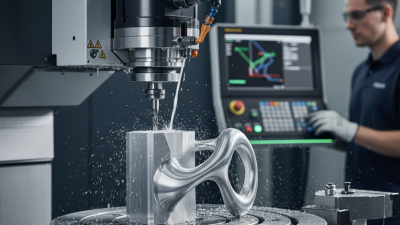
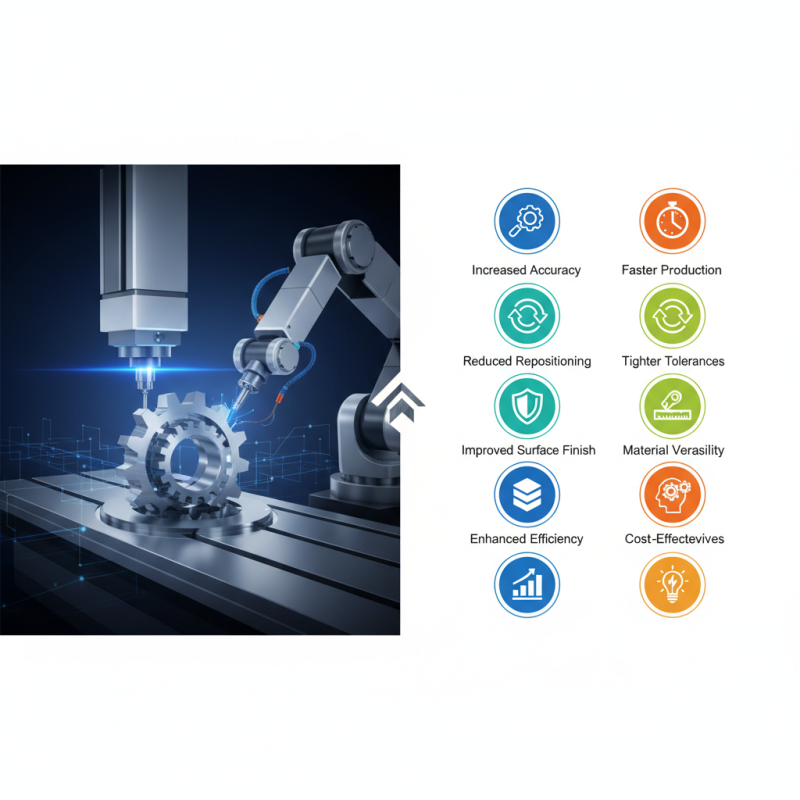
With the capability to perform intricate cuts and shapes, the 5 Axis Machining Center offers significant advantages. It reduces the need for part repositioning, leading to increased accuracy and efficiency. Manufacturers can achieve tighter tolerances and faster production cycles. However, adapting to this technology requires a strategic investment and skilled operators. Not all companies may fully leverage its benefits initially, which is an important reflection on the learning curve in adopting new machinery.
Precision engineering demands high standards, and the 5 Axis Machining Center meets these expectations. Its versatility can accommodate a variety of materials, from metals to plastics. As the industry evolves, continuous improvement and training for operators become essential. Addressing these challenges is critical for harnessing the full potential of this groundbreaking technology.
Benefits of Enhanced Precision in 5 Axis Machining Centers
The advantages of 5 axis machining centers in precision engineering can't be overstated. These machines enhance precision by allowing the tool to approach the workpiece from multiple angles. According to a report by the International Society for Precision Engineering, 5 axis machining improves accuracy by up to 50% compared to traditional methods. This increased precision leads to better surface finishes and tighter tolerances.
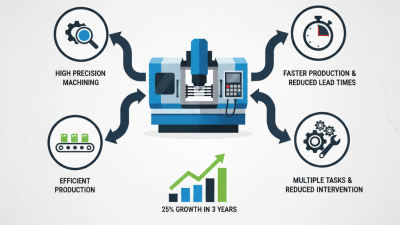
One significant benefit is the reduction in the number of setups required. With a 5 axis machine, complex geometries can be machined in one go, minimizing human error associated with part repositioning. In fact, a study by Manufacturing Tech Insights reported that efficiency can increase by 30% when using these advanced machines. Reduced setup time not only boosts productivity but also lowers costs.
Tips: Always verify your setup before machining begins. Double-check tool paths to prevent errors. Training operators on machine capabilities can optimize performance. Continuous evaluation of output quality is crucial. Regular maintenance of machinery ensures consistent results. Remember that even with advanced technology, human oversight is essential for achieving the best outcomes.
Improved Efficiency and Reduced Cycle Times in Precision Engineering
The advent of 5-axis machining centers marks a significant leap in precision engineering. These machines enhance efficiency by reducing the time required for setup and machining. Traditional setups often involve multiple machines and lengthy repositioning. With 5-axis capabilities, complex parts can be machined in a single setup, which cuts down on cycle times.
Moreover, the reduction in cycle times directly contributes to higher productivity. Manufacturers can produce parts more rapidly and with greater accuracy. The flexibility of 5-axis machining allows for intricate designs that might previously have been impossible. However, this advanced technology requires skilled operators who can manage the increased complexity.
Despite the clear advantages, challenges remain. Not all engineers are familiar with the full capabilities of 5-axis machining. There is a learning curve that can lead to initial inefficiencies. Balancing speed with quality is critical, and it requires continuous assessment. Companies must invest in training and practice to maximize the benefits while mitigating potential pitfalls.
Versatility in Complex Part Fabrication with 5 Axis Technology
The versatility of 5-axis machining centers greatly enhances the fabrication of complex parts in precision engineering. This technology allows for simultaneous movement along five axes, enabling intricate designs that traditional 3-axis machines cannot achieve. According to a recent industry report, adopting 5-axis machinery can increase manufacturing efficiency by up to 30%, highlighting its importance in competitive industries.
Furthermore, 5-axis machining reduces the need for multiple setups. This not only saves time but also minimizes the risk of errors associated with changing and reloading parts. The accuracy of 5-axis centers can achieve tolerances within ±0.001 inches. This level of precision is essential for sectors like aerospace, where even minor deviations can have significant consequences. However, the complexity of operating such machines can present a challenge. Operators need training to fully leverage the technology's capabilities.
Innovations in 5-axis technology continue to emerge, enhancing capabilities further. For example, advanced software can optimize tool paths for even more efficient machining. Yet, these advancements also call for reflection. Manufacturers must adapt their workforce and rethink traditional processes to fully integrate these technologies. Transitioning effectively is crucial, as failing to do so can lead to missed opportunities in optimizing production efficiency.
Cost-Effectiveness of 5 Axis Machining for High-Quality Production
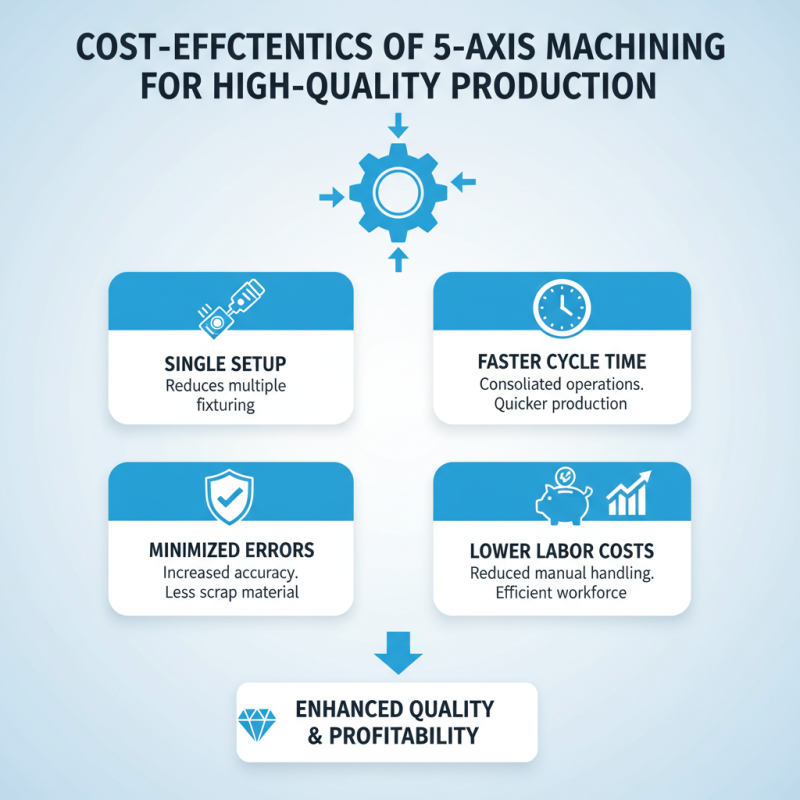
The cost-effectiveness of 5-axis machining centers significantly enhances quality production in precision engineering. These machines allow manufacturers to perform complex operations in a single setup, reducing cycle time. This eliminates the need for multiple setups, which often leads to errors and increased labor costs. By consolidating tasks, you can improve overall efficiency and precision without raising expenses.
Tips to maximize efficiency: Invest time in training operators. Understanding the machine's capabilities can unlock more potential. Regular maintenance is crucial. Keeping your equipment in top shape minimizes downtime and errors. Additionally, consider optimizing tool paths. This will reduce machining time and improve the lifecycle of your tools.
Reflections on cost: Although initial investment may seem high, the long-term savings validate this choice. Look closely at the hidden costs of traditional machining methods. These can include extended lead times and even higher waste rates. It’s essential to evaluate the total cost of ownership to see true benefits. Properly assess how 5-axis machining might align with your strategic goals.
Lower Tool Wear and Maintenance Requirements in Precision Engineering
In precision engineering, lower tool wear and maintenance requirements significantly enhance production efficiency. 5-axis machining centers achieve this by allowing more complex geometries to be machined in a single setup. This reduces the need for tool changes, which can lead to increased wear and tear. A 2021 industry report indicated that companies employing 5-axis machinery experienced up to 30% less tool wear compared to traditional 3-axis machines.
These advanced systems are designed to minimize contact time, which further reduces wear. With the right programming, tool paths become optimized, leading to smoother operations. A study showed that effective cutting strategies could lower maintenance downtime by around 25%, thereby keeping production lines active longer. However, it's crucial to note that improper setup can increase tool wear instead of minimizing it. Balancing between machine capabilities and operator skills is essential for maximizing efficiency.
Operators need to invest in training programs to utilize these centers fully. Even with high-tech machinery, human oversight remains vital. Tools are not only subject to wear but can also become damaged by improper handling. Reflections on these areas can lead to better practices. Emphasizing the importance of a balanced approach can ultimately yield better outcomes in precision engineering.