


Welcome to the SLMN Blog

Shandong Linmo CNC Machine Tool Equipment Co., Ltd.
Insights, Tips, and More from SLMN CNC Machine Tools

Top 10 Compact Horizontal Machining Centers for Precision Work?

In the world of precision engineering, the Compact Horizontal Machining Center stands out as a game-changer. Renowned expert Dr. Emily Carter states, "These machines provide unmatched efficiency and precision for complex tasks." Their compact design allows for versatile deployment in various settings, from small workshops to large manufacturing plants.

These centers are essential for producing intricate parts with high accuracy. They save space without sacrificing performance. However, some operators feel overwhelmed by the range of options available. Selecting the right model can be challenging. Not every Compact Horizontal Machining Center fits the unique needs of a specific project.

While compact machines offer numerous benefits, they also come with limitations. The reduced size can lead to constraints on workpiece dimensions and tooling. Users need to carefully assess their capabilities. Understanding these aspects is crucial for making an informed choice. Ultimately, the right decision can enhance productivity and quality in precision work.
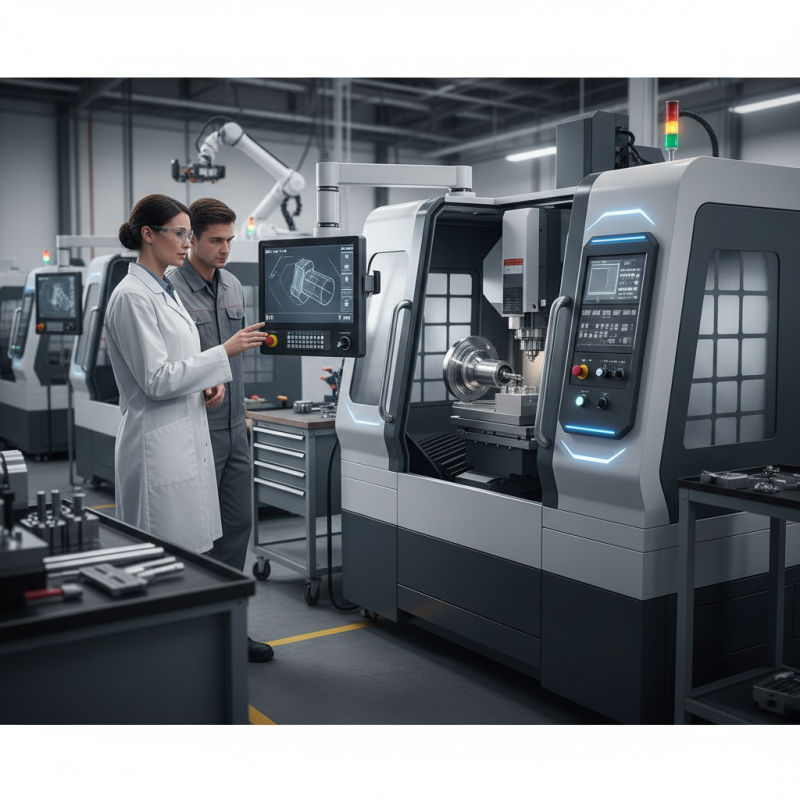
Top 10 Compact Horizontal Machining Centers for Precision Work?

Top Features to Consider in Compact Horizontal Machining Centers

When selecting compact horizontal machining centers, several key features stand out. Precision is crucial, especially in high-tolerance environments. A report from the International Society for Precision Engineering states that over 70% of machining errors arise from inadequate tooling and setup. Look for centers with advanced tool management systems that reduce setup times and enhance accuracy.

Another important aspect is the versatility of machining options. Many modern centers offer multi-axis capabilities that allow for more complex geometries. According to a recent survey by the Manufacturing Technology Association, 65% of manufacturers believe that versatility leads to a significant increase in operational efficiency. Compact designs should still accommodate various attachments to meet different production needs.

Additionally, consider the machine's footprint and energy efficiency. Compact centers often face space constraints in production environments. A study by the Energy Management Association found that optimized energy consumption can reduce costs by up to 30%. However, achieving this balance can be challenging, often requiring trade-offs in performance or speed. Each choice impacts long-term productivity and maintenance.

Comparative Analysis of Cutting Speeds in Leading Models

When evaluating compact horizontal machining centers, cutting speed is a key factor. Different models show varied performance metrics in terms of speed. High cutting speeds can lead to more efficient machining processes. However, they may not always ensure superior results. Balancing speed with precision is crucial.

Many users report dissatisfaction when focusing solely on cutting speeds. In some cases, higher speeds compromise accuracy. A model might perform excellently at high speeds, but you may find it lacking in detail. Always assess the trade-offs in your specific application.

**Tips: Pay attention to the material you're machining.** Different materials react differently to cutting speeds. For soft metals, higher speeds work well. For harder materials, a slower speed might yield better quality. Always observe the performance closely. Adjust your approach based on the outcomes. Evaluation leads to improved processes and ultimately to better results.

Top 10 Compact Horizontal Machining Centers for Precision Work

Model Max Cutting Speed (RPM) Spindle Power (kW) Tool Capacity Weight (kg)
Model A 12000 18 30 1500
Model B 15000 20 25 1600
Model C 10000 15 40 1400
Model D 13000 22 35 1700
Model E 11000 18 30 1550
Model F 14000 21 40 1650
Model G 11500 16 30 1520
Model H 12500 19 35 1570
Model I 15000 22 45 1750
Model J 13500 20 33 1620

Accuracy and Tolerance Standards in Precision Machining Centers

Top 10 Compact Horizontal Machining Centers for Precision Work?

In the realm of precision machining, accuracy and tolerance standards are critical. A recent industry report indicated that nearly 80% of machining errors result from inadequate adherence to these standards. Precision machining centers are designed to meet stringent requirements. Ideally, they should achieve tolerances as tight as ±0.001 inches, but many centers struggle to maintain this level.

The complications arise in the production process. Environmental factors, tool wear, and machine calibration can all impact accuracy. A study highlighted that around 30% of machine downtime is attributed to calibration issues. This reflects a vital area for improvement. Monitoring systems, like automated calibration tools, might help, but they are not universally adopted.

Moreover, the focus on speed often overshadows accuracy. Many shops prioritize throughput over precision. Unfortunately, this leads to rejected parts and wastage. The balance between speed and quality remains a persistent challenge. Continuous training on tolerance standards could mitigate such pitfalls. Investing in education can enhance operators' skills, ultimately leading to improved performance in machining centers.

Cost Efficiency: Investment vs. Long-Term Operational Savings

Investing in compact horizontal machining centers can be daunting. These machines promise precision and efficiency but require significant initial outlays. Many managers weigh costs carefully. They often think about short-term expenses rather than long-term gains. It’s easy to overlook how better tools can enhance productivity. With the right choice, operational efficiency improves. This can lead to substantial savings over time.

Efficiency doesn’t just mean lower operational costs. It also involves reducing errors and waste. A precise machine can minimize scrap, leading to better material use. Sometimes, initial investments seem high, but let’s consider the hidden costs. Poor quality machinery could lead to downtime. Downtime is expensive. This makes it essential to do the math on overall expenses. Reflecting on past choices can reveal patterns in spending and results. Many realize that a reliable machine pays off faster than they expected.

In making these decisions, consider reliability and performance metrics. This requires research and perhaps even some trial and error. It’s beneficial to be cautious yet open to new technologies. The balance between cost and quality isn't always clear. Reflecting on operations can pave the way to smarter investments. Ultimately, making informed choices will lead to success in the long run.

Industry Applications: Ideal Uses for Compact Horizontal Machining Centers

Compact horizontal machining centers are increasingly popular in various industries. They are versatile and efficient for precision work. These machines excel in producing complex parts. Industries such as aerospace, automotive, and medical equipment benefit greatly from them.

In aerospace, the need for lightweight, durable components is critical. Compact horizontal machining centers can create intricate designs while maintaining tight tolerances. This ensures safety and performance in flight. Medical device manufacturing also relies on these machines for precision. From surgical instruments to implants, every detail matters.

Tips: Always consider workspace and production volume. Compact machines fit well in smaller spaces. However, they may not suit high-volume production. Keep an eye on maintenance schedules. Regular upkeep can prevent unexpected downtime.

In the automotive sector, these machining centers help fabricate small parts for engines and transmissions. The flexibility to switch materials is essential. Nonetheless, time management can be a challenge. Operators must adapt quickly to changes. Efficiency often suffers if setups take too long.

Top 10 Compact Horizontal Machining Centers: Precision Applications

  • Address

    North of Industrial Road, Linqing Economic Development Zone,Liaocheng City, Shandong Province, China

  • Email

    info@lucimagnet.com

  • Phone/WhatsApp

    Angela:0086-13884742546
    Eric: 0086-15688878114

Get in touch with SLMN today. Whether you have questions about our CNC machine tools , or are interested in becoming a distributor, our team is ready to assist you.

© 2025 Shandong Linmo CNC Machine tool Equipment Co.,Ltd. All Rights Reserved.

Privacy Statement Terms & Conditions Sitemap

© 2025 Shandong Linmo CNC Machine tool Equipment Co.,Ltd. All Rights Reserved.

Privacy Terms & Conditions Sitemap