

Maximizing Efficiency with Cnc Vertical Milling Machine Centers: A Comprehensive Guide for Manufacturers
In the competitive landscape of modern manufacturing, optimizing production processes is essential for achieving operational excellence. The Cnc Vertical Milling Machine Center has emerged as a pivotal technology to enhance efficiency and precision in machining. According to a report by the International Federation of Robotics, the integration of CNC technology in manufacturing operations has led to productivity improvements of up to 35%, significantly reducing lead times and material waste. As industries strive for greater output quality and speed, understanding the capabilities of CNC vertical milling machine centers becomes imperative.
Industry expert Dr. James Anderson, a renowned figure in machining technologies, emphasizes the importance of this equipment in contemporary manufacturing environments: "The precision and flexibility offered by Cnc Vertical Milling Machine Centers allow manufacturers to stay competitive while meeting the ever-evolving demands of their clients." This statement highlights a crucial aspect of CNC machines; their ability to adapt to various production needs while maintaining high accuracy.
In this comprehensive guide, we will explore the top five strategies to maximize efficiency with Cnc Vertical Milling Machine Centers, enabling manufacturers to enhance productivity and leverage their investment in this advanced technology.
Understanding CNC Vertical Milling Machine Centers: Key Features and Benefits
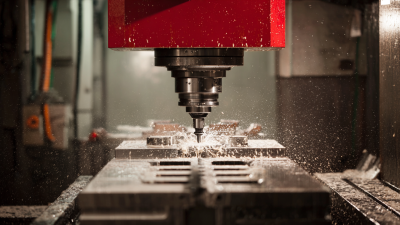
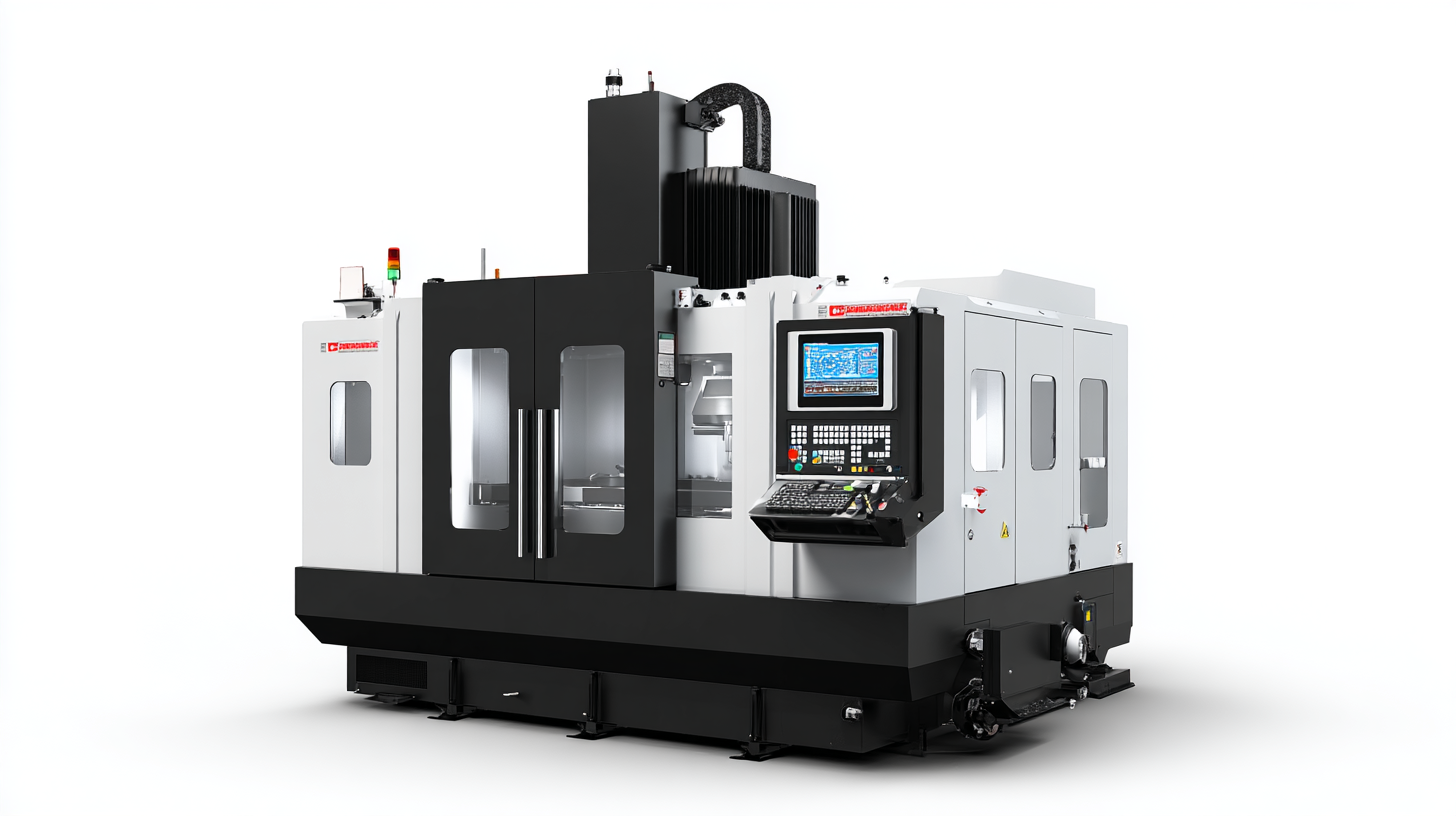
CNC vertical milling machine centers are invaluable tools for manufacturers looking to enhance operational efficiency. These machines are equipped with advanced features that facilitate high-precision machining, adaptable to various components and materials. Key benefits include superior accuracy, reduced cycle times, and the ability to perform multi-axis machining, which allows for the creation of complex geometries with fewer setups. As the CNC machine tools market is projected to grow significantly, reaching over $195 billion by 2032, the importance of integrating cutting-edge vertical milling technologies becomes increasingly apparent for competitive manufacturers.
In the modern manufacturing landscape, the introduction of automation and intelligent systems has further amplified the advantages offered by CNC vertical milling centers. New vertical machining strategies are being developed to optimize productivity, featuring innovative spindle technologies and enhanced metal removal rates. This shift not only ensures a higher output but also retains the critical accuracy required in high-precision tasks. With the expected growth in demand for these systems, understanding the unique features and benefits of CNC vertical milling machine centers is essential for manufacturers aiming to maximize their production capabilities and stay ahead in a rapidly evolving market.
Maximizing Efficiency with CNC Vertical Milling Machine Centers: A Comprehensive Guide for Manufacturers
| Feature |
Description |
Benefits |
| High Precision |
CNC vertical milling machines are capable of tolerances as tight as 0.001 inches. |
Minimizes waste and improves product quality. |
| Increased Speed |
Advanced tools and programming allow for faster cycle times. |
Boosts overall production rates and efficiency. |
| Versatility |
Can machine a variety of materials from metals to plastics. |
Enables manufacturers to diversify their product offerings. |
| User-Friendly Interface |
Modern CNC software provides intuitive controls for operators. |
Reduces the learning curve and increases productivity. |
| Automation |
Capable of being automated for mass production scenarios. |
Lowers labor costs and enables 24/7 operations. |
Market Trends: The Growth of CNC Machining in Manufacturing Industries
The growth of CNC machining in the manufacturing industries is remarkable, with the global CNC machine market expected to surge from $101.22 billion in 2025 to $195.59 billion by 2032, reflecting a robust CAGR of 9.9%. This expansion underscores the increasing reliance on CNC technology for precision manufacturing, driven by a rising demand for high-efficiency, high-quality production across various sectors. In particular, manufacturers are leveraging advanced CNC mills to enhance operational efficiency and streamline production processes.
Additionally, the global CNC controller market is also on an upward trajectory, projected to grow from a valuation of $3.2 billion in 2023 to $7.2 billion by 2033, achieving a CAGR of 8.3%. This growth is indicative of the industry's shift towards automation and smart manufacturing solutions. As industries embrace innovative technologies, the demand for precision tools—including cutting tools, drilling tools, and milling tools—is set to expand significantly, reflecting a broader trend toward mechanization and high-tech manufacturing processes.
Improving Production Efficiency: Strategies for Optimal CNC Milling Performance
To improve production efficiency in CNC vertical milling, manufacturers must focus on optimizing machine settings, tool selection, and workflow processes. One effective strategy is to carefully analyze the machining parameters such as feed rate, spindle speed, and depth of cut. By utilizing the machine's capabilities to the fullest, manufacturers can significantly reduce cycle times while maintaining high precision. Regularly updating these parameters based on real-time data can lead to continuous improvement and enhanced productivity.
Additionally, investing in high-quality cutting tools and maintaining them properly are crucial components of optimal milling performance. Selecting the right tooling material and geometry can influence not only the quality of the machined parts but also the overall operational efficiency. A proactive maintenance schedule, including tool inspection and timely replacements, minimizes downtime and ensures that the CNC milling centers operate at peak performance. By combining these strategies with a comprehensive approach to staff training and workflow optimization, manufacturers can create a robust system that maximizes efficiency in CNC vertical milling operations.
Cost Analysis: Comparing CNC Milling Machines and Traditional Methods
When considering the cost implications of CNC milling machines versus traditional machining methods, manufacturers must evaluate both upfront investment and long-term savings. CNC machines typically require a higher initial capital outlay due to their advanced technology and capabilities. However, their ability to operate with precision and reliability can lead to reduced waste and lower labor costs over time. These machines can produce complex parts more efficiently, which often translates to faster turnaround times and increased production capacity.
Additionally, traditional machining methods often involve more manual labor and longer setup times, which can lead to higher operational costs. As manufacturers move towards automation, the efficiency gained from CNC vertical milling machines can offset their initial expense. While training staff to operate CNC systems may involve additional costs, the long-term benefits, such as improved product consistency and scalability, make them a worthwhile investment. Ultimately, a thorough cost analysis that includes both immediate and future financial implications is essential for manufacturers seeking to maximize efficiency and competitiveness in their operations.
Cost Analysis: CNC Milling Machines vs Traditional Methods
Future Innovations: Emerging Technologies in CNC Vertical Milling Machines
The landscape of CNC vertical milling machines is evolving rapidly, driven by advancements in digital manufacturing technologies that enhance productivity across various industries. Recent studies indicate that manufacturers using CNC technology can achieve an efficiency increase of up to 30%, thanks to automation and intelligent processing capabilities. As significant players in the field prepare to showcase their innovations at events like EMO Hannover 2025, the emphasis is on how these emerging technologies can redefine operational excellence.
One of the cornerstone innovations shaping the future of CNC milling is integrated digital control systems, such as those exemplified by advanced control technologies. These systems enable real-time data analytics and adaptive machining, which not only streamline production but also enhance precision. For instance, manufacturers leveraging these technologies report a 15% reduction in waste and improved cycle times by 20%. As the industry shifts towards a more connected and intelligent manufacturing environment, the potential for increased efficiency, reduced costs, and sustainable practices becomes increasingly apparent.