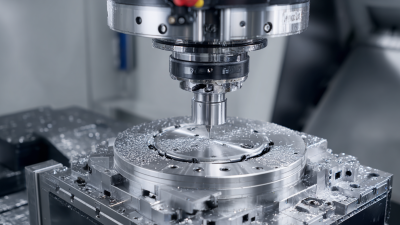


Welcome to the SLMN Blog

Shandong Linmo CNC Machine Tool Equipment Co., Ltd.
Insights, Tips, and More from SLMN CNC Machine Tools

What is a Horizontal Machining Center and How Does It Work

The manufacturing landscape is increasingly adopting advanced technology to enhance efficiency and precision, with the Horizontal Machining Center (HMC) standing out as a pivotal element in this evolution. According to a recent report by MarketsandMarkets, the global market for machining centers, including HMCs, is projected to reach $8.11 billion by 2025, driven by rising demand for precision engineering across industries. The integration of HMCs not only improves productivity but also reduces cycle times, making them indispensable in modern manufacturing processes.

As noted by industry expert Dr. Michael Thompson, a renowned authority in manufacturing technology, “The Horizontal Machining Center is a game-changer for high-volume production and can significantly optimize machining workflows.” This statement underscores the vital role that HMCs play in enabling manufacturers to remain competitive in a rapidly changing market. The sophisticated design and functionality of Horizontal Machining Centers allow for multi-tasking capabilities, which drastically streamline operations and enhance overall output quality. Thus, understanding the mechanics and applications of HMCs is essential for businesses aiming to adopt cutting-edge manufacturing practices.
What is a Horizontal Machining Center and How Does It Work

What is a Horizontal Machining Center?

What is a Horizontal Machining Center and How Does It Work

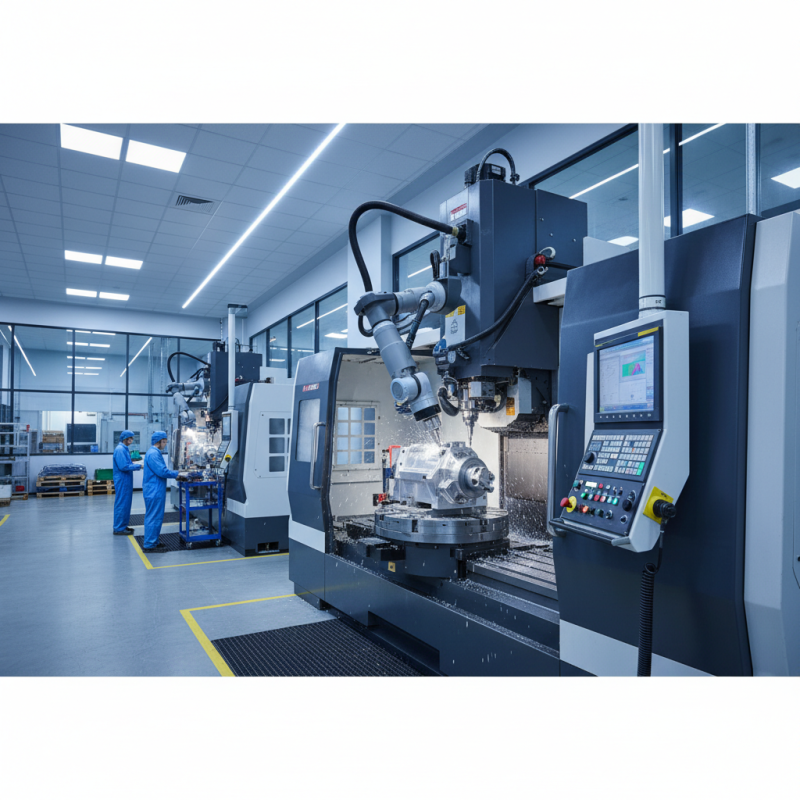
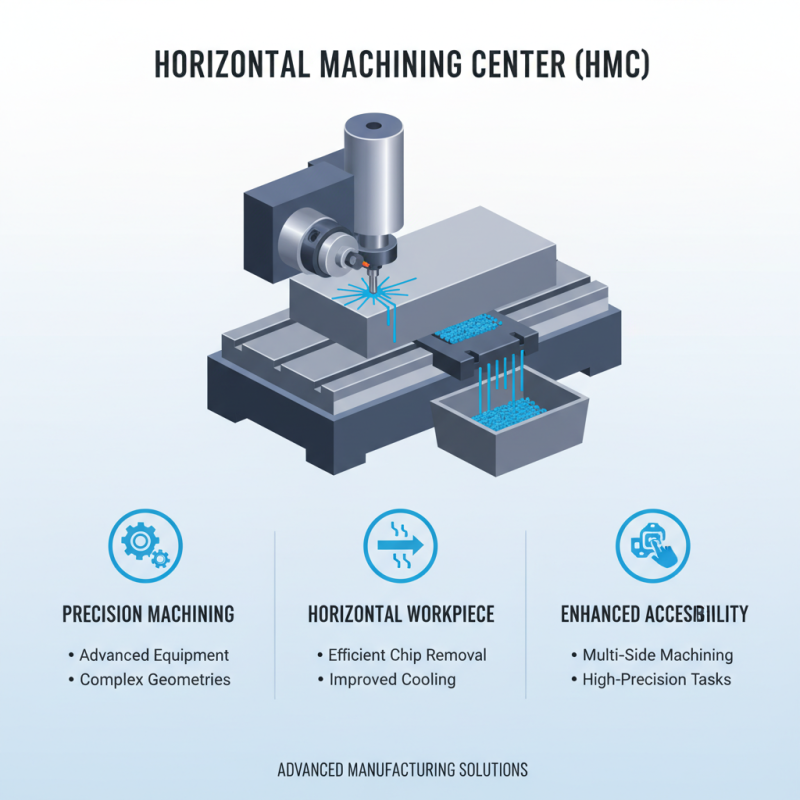
A Horizontal Machining Center (HMC) is a type of advanced manufacturing equipment designed for precision machining of components. Unlike vertical machining centers, HMCs operate with the workpiece positioned horizontally, which allows for efficient chip removal and better cooling during the machining process. This orientation enhances the accessibility of tools to the workpiece, making it suitable for high-precision tasks and complex geometries.

The global market for machining centers, including horizontal types, was valued at approximately $29.17 billion in 2018, with a projected compound annual growth rate (CAGR) of 4.9% leading up to 2032. This growth indicates a robust demand for machining solutions across various industries, particularly as manufacturers strive to increase productivity and reduce lead times. Countries renowned for their superior technological capabilities in this field, such as Japan and the United States, dominate the semiconductor processing equipment market, which includes high-precision etching devices. As new developments emerge within the context of enhancing core technologies in key manufacturing areas, horizontal machining centers play an integral role in meeting the evolving needs of the industry.

Key Components of a Horizontal Machining Center

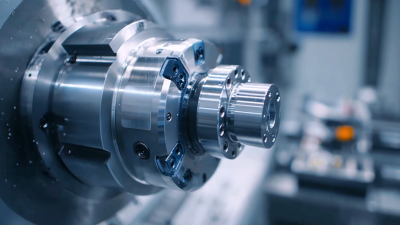
A Horizontal Machining Center (HMC) is a key player in the machining industry, known for its efficiency and precision in manufacturing processes. Essential components such as the spindle, table, and control system play critical roles in the operation of these machines. The spindle, typically mounted horizontally, allows for significant torque and speed, enabling the machining of complex parts. The table is designed to support workpieces securely, often featuring T-slots for easy fixturing. Additionally, the control system is crucial for programming and monitoring operations, ensuring that the machining process is both accurate and efficient.

The global machining centers market is witnessing substantial growth, with a value of approximately $29.17 billion in 2018 and a projection to reach $60.13 billion by 2032, growing at a compound annual growth rate (CAGR) of 4.9%. This growth can be attributed to the increasing demand for high-precision manufacturing across various industries, including aerospace and automotive. Innovations in vertical and horizontal machining centers, including advancements in automation and the integration of smart technology, are reshaping the landscape and providing manufacturers with enhanced capabilities to meet these rising needs.

The Operational Principles Behind Horizontal Machining Centers

A horizontal machining center (HMC) is a highly versatile machine tool used for precision machining in various manufacturing sectors. The operational principles behind horizontal machining centers are fundamental to understanding their effectiveness. Unlike vertical machining centers, HMCs operate with a spindle oriented horizontally, allowing gravity to assist in the removal of chips and improving overall machining efficiency. This design facilitates a more rigid setup for heavy workpieces, leading to increased stability during operations such as milling, drilling, and boring.

The mechanism of an HMC revolves around its rotating cutting tools and programmable control systems. Workpieces are securely fixed on a horizontal table, which can often rotate or move along different axes, enabling complex machining operations without the need for manual repositioning. Advanced HMCs are equipped with multi-axis capabilities, allowing them to perform intricate features in a single setup, thereby reducing production time and enhancing accuracy. The integration of CNC technology further automates the processes, ensuring precise control over tool movements and machining parameters, which significantly enhances productivity and repeatability in high-volume production environments.

What is a Horizontal Machining Center and How Does It Work - The Operational Principles Behind Horizontal Machining Centers

Feature Description
Axis Configuration Typically includes three linear axes (X, Y, Z) and may include rotary axes (A, B).
Workpiece Orientation Workpieces are mounted horizontally, allowing for better chip removal and improved precision.
Tool Storage Equipped with a tool magazine holding multiple tools for automated changing during machining.
Cutting Process Utilizes rotary cutters to remove material, optimizing feed rates and cutting speeds.
Applications Widely used in automotive, aerospace, and medical industries for complex part manufacturing.
Advantages Higher productivity, improved accuracy, and enhanced chip removal compared to vertical centers.
Limitations Generally more expensive and requires more floor space than vertical machining centers.

Applications and Industries Utilizing Horizontal Machining Centers

Horizontal machining centers (HMCs) have become integral to various industries, facilitating the efficient manufacturing of complex parts. Their ability to work on multiple axes at once allows for high precision and faster production times, making them ideal for sectors that require large, lightweight components. Industries such as aerospace, automotive, and general manufacturing have particularly benefited from these machines, as they can handle intricate designs while maintaining tight tolerances.

The recent shift towards digital manufacturing technologies has further enhanced the capabilities of horizontal machining centers. For instance, the adoption of twin-spindle configurations allows for simultaneous machining operations, thereby doubling productivity while minimizing manual intervention. This innovation is especially relevant in the production of large aluminum parts, where weight considerations are critical and efficiency gains are crucial in meeting market demands.

Applications of Horizontal Machining Centers in Various Industries

Advantages of Using Horizontal Machining Centers in Manufacturing

What is a Horizontal Machining Center and How Does It Work

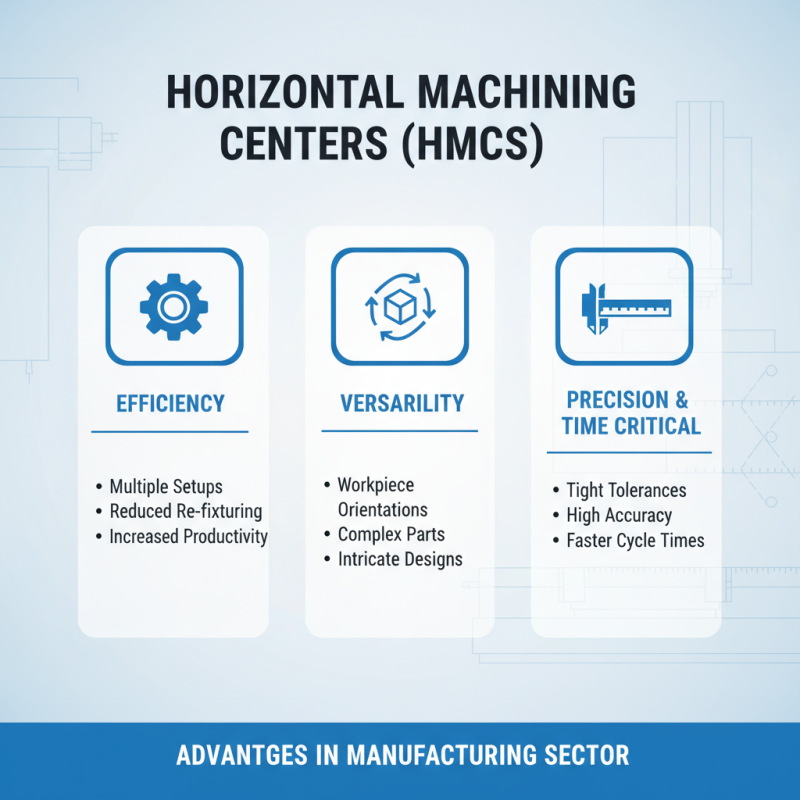
Horizontal machining centers (HMCs) provide numerous advantages in the manufacturing sector, particularly in terms of efficiency and versatility. Unlike traditional vertical machining centers (VMCs), HMCs allow for multiple setups and workpiece orientations, reducing the need for re-fixturing and increasing overall productivity. This capability is particularly beneficial in complex manufacturing processes where precision and time are critical, enabling manufacturers to produce intricate parts with tight tolerances.

Additionally, the design of HMCs facilitates improved chip removal and coolant management, allowing for better thermal stability during machining. This efficiency not only enhances the lifespan of cutting tools but also diminishes tooling costs. Furthermore, companies that adopt HMCs have reported significant reductions in cycle times, showcasing their potential to boost operational efficiency and lower production costs. As the global machining centers market continues to grow, the adoption of HMCs is likely to become increasingly prevalent across various industries, from aerospace to automotive, underscoring their importance in modern manufacturing practices.

  • Address

    North of Industrial Road, Linqing Economic Development Zone,Liaocheng City, Shandong Province, China

  • Email

    info@lucimagnet.com

  • Phone/WhatsApp

    Angela:0086-13884742546
    Eric: 0086-15688878114

Get in touch with SLMN today. Whether you have questions about our CNC machine tools , or are interested in becoming a distributor, our team is ready to assist you.

© 2025 Shandong Linmo CNC Machine tool Equipment Co.,Ltd. All Rights Reserved.
Privacy Statement Terms & Conditions Sitemap

© 2025 Shandong Linmo CNC Machine tool Equipment Co.,Ltd. All Rights Reserved.

Privacy Terms & Conditions Sitemap