

Welcome to the SLMN Blog

Shandong Linmo CNC Machine Tool Equipment Co., Ltd.
Insights, Tips, and More from SLMN CNC Machine Tools

Exploring the Future of Precision Engineering with Advanced Machining Centers

As the manufacturing landscape continues to evolve, the role of Machining Centers in precision engineering becomes increasingly significant. According to a report by MarketsandMarkets, the global advanced machining market is expected to reach USD 7.89 billion by 2026, growing at a CAGR of 7.5%. This growth underscores the rising demand for high-precision components across industries such as aerospace, automotive, and medical devices.
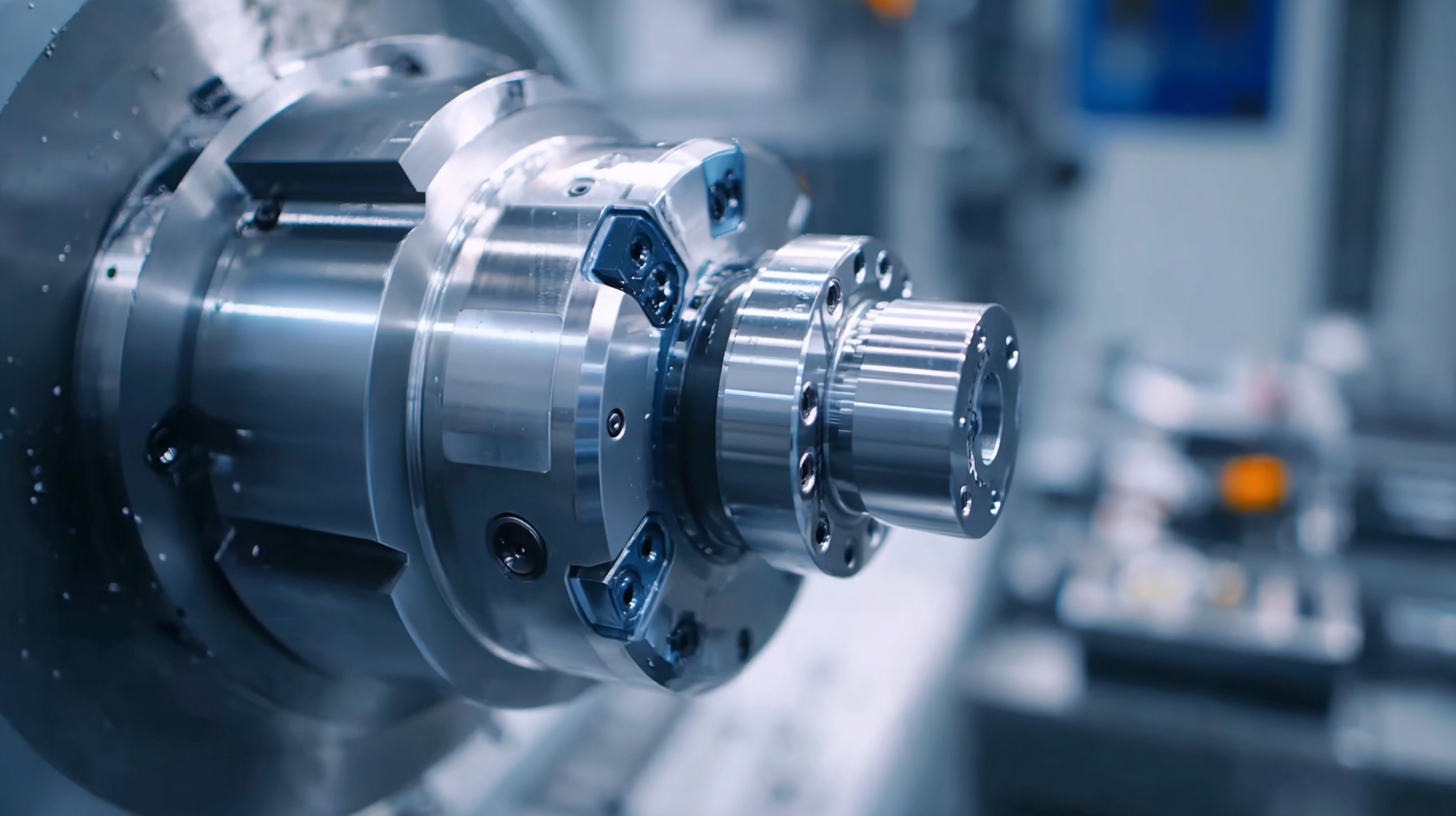
Exploring the Future of Precision Engineering with Advanced Machining Centers

Advanced Machining Centers are not only enhancing manufacturing efficiency but also enabling the production of complex geometries with unparalleled accuracy. In this era of Industry 4.0, the integration of smart technologies and automation in Machining Centers is set to drive a paradigm shift in precision engineering, making it imperative for industry stakeholders to explore and adapt to these advancements.

The Evolution of Precision Engineering in Modern Manufacturing

The evolution of precision engineering in modern manufacturing marks a critical shift towards heightened accuracy and efficiency. With the development of advanced machining centers, manufacturers are now able to leverage automated processes that cater to intricate specifications. This transition emphasizes the importance of precision machinery, such as grinding machines and gear cutters, which are essential for tasks that demand superior accuracy beyond what general-purpose machine tools can offer.

In recent studies, including the 2024 research report on China's machine tool industry, it is evident that the sector is embracing technological advancements to meet the evolving demands of precision engineering. The integration of innovative techniques and smart manufacturing practices is paving the way for enhanced adaptability and resilience within industrial enterprises. As the focus on precision engineering intensifies, the drive for improved safety protocols and cybersecurity measures in manufacturing underscores the necessity for a robust infrastructure that supports both operational efficiency and security in today's competitive landscape.

Exploring the Future of Precision Engineering with Advanced Machining Centers

Dimension Detail
Machining Center Type 5-Axis Machining Centers
Typical Applications Aerospace, Automotive, Medical Devices
Materials Processed Aluminium, Titanium, Composite Materials
Precision Level Up to ±0.005 mm
Industry Trends Increased Automation, IoT Integration, Sustainability Focus
Future Technologies Artificial Intelligence, Additive Manufacturing, Smart Sensors

Key Technological Advancements in Advanced Machining Centers

The future of precision engineering is increasingly influenced by the advancements in advanced machining centers. Technologies such as CNC machine tools are witnessing a substantial market growth, driven by the rising demand for high-precision and multi-axis machining capabilities. Innovations in digital manufacturing are not only enhancing productivity across various industries but are also making it easier to scale complex manufacturing processes, including the emerging field of microfluidics. This reflects a shift towards more automated and precise systems that are poised to redefine operational efficiencies.

Exploring the Future of Precision Engineering with Advanced Machining Centers

Tip: Embracing AI-powered technologies in machining centers can streamline operations and reduce waste, maximizing overall productivity. Companies should consider investing in training to equip their workforce with the skills necessary to leverage these advancements effectively.

Moreover, initiatives like the recent funding for technology hubs highlight the importance of collaborative efforts in the development of manufacturing technologies. Networking with industry partners can foster innovation and bring fresh perspectives, ultimately preparing the next generation for the challenges in advanced manufacturing.

Tip: Stay updated on the latest technology trends as they can provide insights into future opportunities and challenges. Engaging with thought leaders and participating in trade shows can also be an effective way to stay ahead.

Applications of Precision Engineering Across Various Industries

The future of precision engineering is being profoundly shaped by advanced machining technologies, particularly in how they enhance productivity across diverse industries. The integration of modern tube cutting technologies exemplifies this transformation, allowing manufacturers to produce intricate components with exceptional accuracy. According to recent industry reports, the global advanced manufacturing market is projected to grow from $192 billion in 2021 to $490 billion by 2030, highlighting the critical role precision engineering plays in driving efficiency and innovation.

In sectors such as aerospace, automotive, and medical devices, precision engineering ensures that parts meet stringent specifications, thereby enhancing product reliability. For instance, the use of laser tube cutting has improved processing speeds by up to 30%, resulting in cost reductions and shorter lead times. Companies leveraging these advanced technologies report higher customer satisfaction due to improved product quality and performance.

Tip: To further enhance precision in your manufacturing processes, consider investing in automation systems that integrate seamlessly with your machining centers. This approach not only optimizes workflow but also minimizes human error, leading to higher precision in every output. Another advisable strategy is to continuously train your workforce on the latest machining technologies to maintain a competitive edge in the industry.

The Role of Automation and AI in Enhancing Machining Precision

The integration of artificial intelligence (AI) and automation into precision engineering is transforming machining processes, significantly enhancing precision and efficiency. Through advanced machining centers equipped with AI-driven technologies, manufacturers can achieve unprecedented levels of accuracy in their operations. Machine learning algorithms analyze vast amounts of data from production lines in real-time, allowing for predictive maintenance and immediate adjustments, thus minimizing errors and downtime.

Exploring the Future of Precision Engineering with Advanced Machining Centers

Moreover, the incorporation of AI in quality control processes is revolutionizing manufacturing. AI-powered machine vision systems can conduct thorough inspections faster and more accurately than human operators, ensuring that products meet stringent quality standards. This technological advancement not only increases throughput but also optimizes resource use, leading to more sustainable practices in manufacturing.

As AI continues to evolve, its role in refining precision engineering will undoubtedly expand, making it an indispensable asset in the quest for enhanced manufacturing capabilities.

Challenges and Opportunities in the Future of Precision Engineering

The future of precision engineering is marked by significant challenges and opportunities, particularly with the integration of advanced machining centers. One of the primary challenges lies in the rapid pace of technological advancements, which necessitates continuous skill enhancement and adaptation from the workforce. As automation and artificial intelligence become more prevalent, enthusiasts must ensure they can operate and maintain these sophisticated machines effectively. Moreover, the increasing complexity of designs and materials being used can strain traditional manufacturing processes, demanding innovative solutions and adaptive methodologies.

On the opportunity front, advanced machining centers offer increased efficiency and precision, paving the way for unprecedented levels of customization in production. Businesses that embrace these innovations can significantly reduce waste and minimize turnaround times, all while maintaining high-quality standards. Additionally, the shift towards digital manufacturing and Industry 4.0 creates a wealth of data that can be harnessed for predictive maintenance and optimization, enhancing both operational performance and profitability. As the industry evolves, those willing to invest in technology and workforce training will be well-positioned to lead in this dynamic landscape of precision engineering.

Exploring the Future of Precision Engineering with Advanced Machining Centers

  • Address

    North of Industrial Road, Linqing Economic Development Zone,Liaocheng City, Shandong Province, China

  • Email

    info@lucimagnet.com

  • Phone/WhatsApp

    Angela:0086-13884742546
    Eric: 0086-15688878114

Get in touch with SLMN today. Whether you have questions about our CNC machine tools , or are interested in becoming a distributor, our team is ready to assist you.

© 2025 Shandong Linmo CNC Machine tool Equipment Co.,Ltd. All Rights Reserved.

Privacy Statement Terms & Conditions Sitemap

© 2025 Shandong Linmo CNC Machine tool Equipment Co.,Ltd. All Rights Reserved.
Privacy Terms & Conditions Sitemap