What is a 6 Axis Machining Center and How Does It Work?
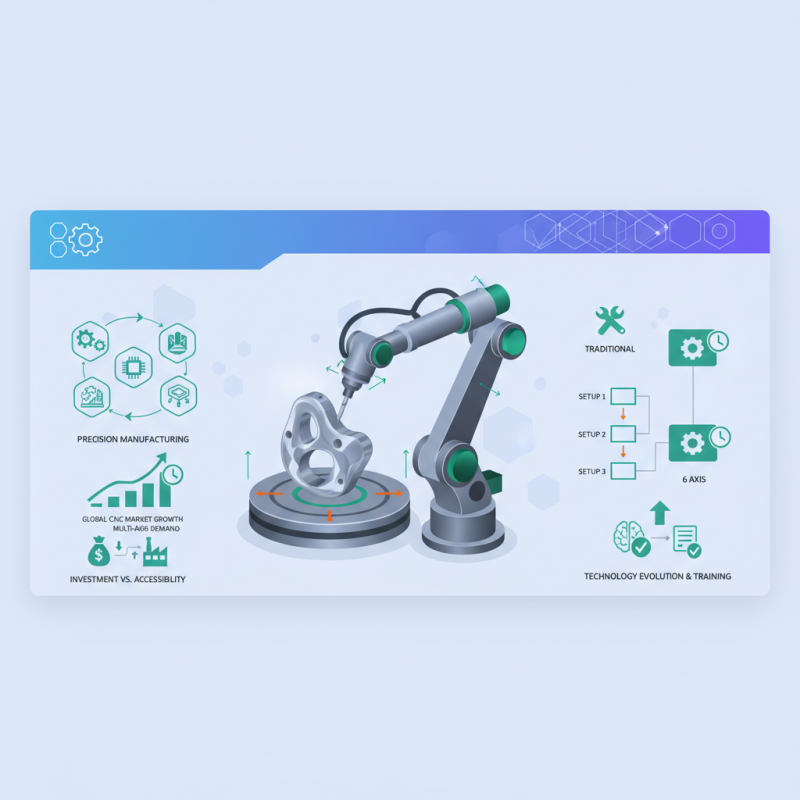
The 6 Axis Machining Center represents a significant advancement in precision manufacturing. This technology allows for intricate designs and complex geometries. According to a recent report by Grand View Research, the global CNC machine market is expected to grow significantly. More specifically, the demand for multi-axis machining centers is projected to rise due to their versatility.
Manufacturers increasingly rely on the 6 Axis Machining Center for efficiency. It can perform tasks that traditional machines can’t. For example, tasks that might require multiple setups now require only one, saving time and resources. Yet, the initial investment can be daunting for smaller companies. This raises questions about accessibility for many in the industry.
As technology continues to evolve, staying updated is critical. The learning curve associated with operating a 6 Axis Machining Center may deter some manufacturers. However, investing in training can yield better productivity. As we explore this technology, we must also reflect on the challenges it presents to smaller enterprises.
What is a 6 Axis Machining Center?
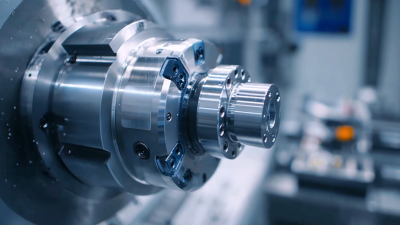
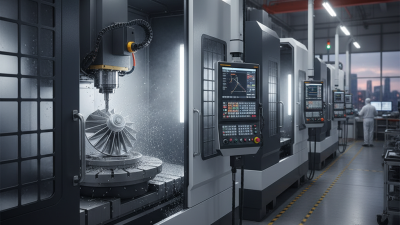
A 6-axis machining center is a powerful tool in modern manufacturing. It allows for multidimensional movement, enhancing precision in machining processes. This technology goes beyond traditional 3-axis machining by adding extra rotational axes. The added axes enable the tool to approach complex geometries with ease. Manufacturers appreciate this flexibility for producing intricate shapes and designs.
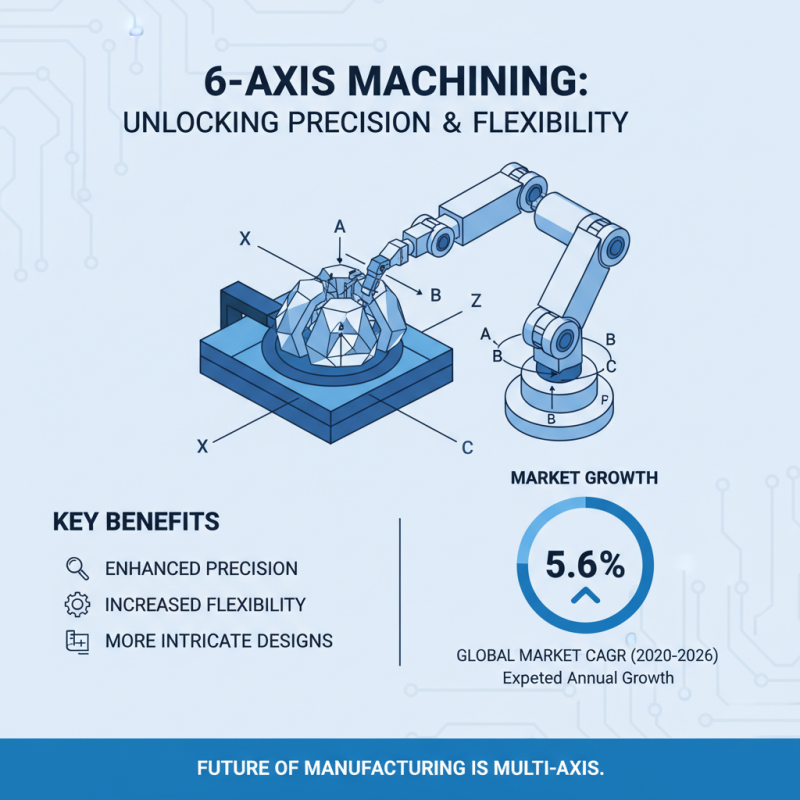
The machine typically operates with six degrees of freedom. This means it can rotate around three axes and move along three linear paths. With this setup, operators can manipulate the workpiece from various angles. This reduces the need for multiple setups. However, programming these machines can be a challenge. Mistakes in programming lead to errors or even damage. Part operators must be diligent to avoid costly mistakes.
The versatility of a 6-axis machining center is clear. It can produce parts for various industries, from aerospace to healthcare. Yet, the complexity can be daunting for newcomers. The learning curve can lead to frustrations. Ensuring accurate setup and calibration is essential. Without this, even the best machines may underperform. Continuous training and adaptation are necessary for mastery in this field.
Key Components of a 6 Axis Machining Center
A 6 Axis Machining Center combines advanced technology with precision engineering. It consists of key components that enhance machining capabilities. The machine features six axes of movement. These allow for intricate designs and complex parts. It is capable of rotating around three linear axes and three rotational axes. This versatility opens doors to various applications.
The spindle is a critical component of the machining center. It holds the cutting tool firmly in place. The rotation speed of the spindle significantly affects the machining process. A higher speed typically results in better finishes but requires careful handling. The tool changer is another essential part. It enables the machine to switch between tools quickly. This flexibility can improve efficiency but may also lead to alignment issues if not managed properly.
The control unit directs the entire operation. It interprets the design files and executes commands. A sophisticated control system may enhance accuracy but can also complicate troubleshooting. User interface issues might arise, making it hard for operators to navigate. Proper training is vital to minimize these challenges. Adapting to a 6 Axis Machining Center requires ongoing reflection and skill development.
How 6 Axis Machining Centers Work: A Step-by-Step Process
A 6 axis machining center is a complex machine that enhances precision and flexibility in manufacturing. The 6 axes allow the tool to move in various directions, providing unparalleled access to the workpiece. This capability leads to more intricate designs and tighter tolerances. According to a recent market analysis, the global 6 axis machining center market is expected to grow by 5.6% annually until 2026.
The operation begins with setting up the workpiece. Operators carefully align it using clamps or fixtures. Next, a computer-aided design (CAD) file is loaded into the machine. The machining center then interprets the design. It determines the paths the cutting tool must follow to achieve the desired shape. In this stage, some unexpected issues can arise. For instance, improper setup can lead to errors in cut depth or orientation.
Tips: Always double-check the alignment of your workpiece before starting the machining process. Small misalignments can significantly affect the results. When selecting tools, ensure they are suited for both the material and the type of cut required. This will reduce wear and improve efficiency.
After the initial cuts, the tool can pivot and rotate around multiple axes. This feature allows for complex geometries and finer details. However, achieving optimal results requires thorough programming and testing. Mistakes can lead to wasted materials or longer production times. Regular training and updates on technology can mitigate these risks.
Applications of 6 Axis Machining in Various Industries
6-axis machining centers are transforming various industries by enhancing precision and efficiency. These machines allow for complex geometries in manufacturing. In aerospace, intricate components require high accuracy. A 6-axis machine can create parts with curved surfaces, enabling better aerodynamics. This leads to more fuel-efficient aircraft designs.
The automotive industry also benefits greatly. Here, parts must be lightweight yet strong. 6-axis machining provides the ability to shape various materials precisely. This adaptability leads to innovations in design. However, challenges remain in programming these machines effectively. Operators need training to maximize potential.
In the medical field, custom implants are produced using this technology. 6-axis machining enables tailored solutions for patients. Yet, relying solely on machines can overlook human insight. Combining machine precision with expert knowledge could yield better results. Exploring these applications reveals both opportunities and areas for improvement.
Benefits and Challenges of Using 6 Axis Machining Centers
6 Axis machining centers offer significant advantages in precision engineering and manufacturing. According to industry reports, these machines can reduce setup time by up to 30%. This increase in efficiency is critical, particularly in industries demanding tight tolerances. The ability to manipulate the workpiece from multiple angles enhances design capabilities, allowing complex geometries to be machined effectively. However, the complexity of programming these centers can pose a learning curve for operators.
While the operational efficiency is appealing, maintenance of 6 Axis machines requires investment. Data suggests that 20% of machining downtime is due to maintenance issues. This reality underscores the need for thorough training and preventative measures. Furthermore, not all workpieces may benefit from 6 Axis machining. For simpler designs, traditional machining methods may still be more practical, highlighting the necessity for continual evaluation of machining strategies.
Users must also consider the initial cost versus long-term return. While 6 Axis centers can streamline production, the upfront investment can be daunting. Small to medium-sized enterprises might struggle with this decision. Balancing cost with efficiency remains a critical discussion in the industry.
Benefits and Challenges of Using 6 Axis Machining Centers