


Why Choose a 300mm Horizontal Machining Center?
Manufacturers face steady pressure to produce accurate parts with less downtime and tighter floor-space limits. Grand View Research estimated the global CNC machine market at USD 83.99 billion in 2023, with projected growth through 2030. That figure describes the wider CNC market, not demand for one machine size. Still, it shows why efficient machining remains an important investment decision.
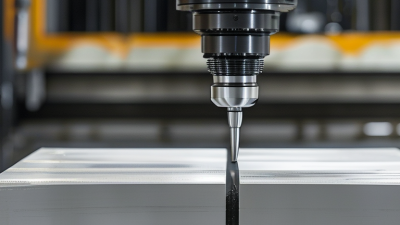
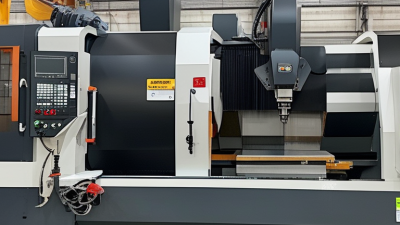
A 300mm Horizontal Machining Center can suit shops producing compact components in repeat batches. Its horizontal spindle may provide access to several sides of a part, while a pallet changer can keep one workpiece cutting as another is prepared. Picture a steel housing secured on a pallet: fewer setups may reduce handling and alignment steps. Results depend on the part, fixture, tooling, and machine configuration. “300mm” also needs careful checking. Suppliers may use it to describe pallet size, workpiece capacity, or another specification.
The right choice starts with real production data. Compare cycle time, tool access, achievable tolerances, chip control, and service support. Ask vendors to run representative parts, not just demonstrate an empty machine. A compact footprint sounds attractive. It does not guarantee lower cost per part. Energy use, operator time, tooling, and maintenance matter too. There is no perfect machine, and a 300mm platform may feel restrictive as parts grow. That limitation deserves honest review before purchase. This guide examines where the format fits, which specifications deserve attention, and how to judge its value against your actual workload.
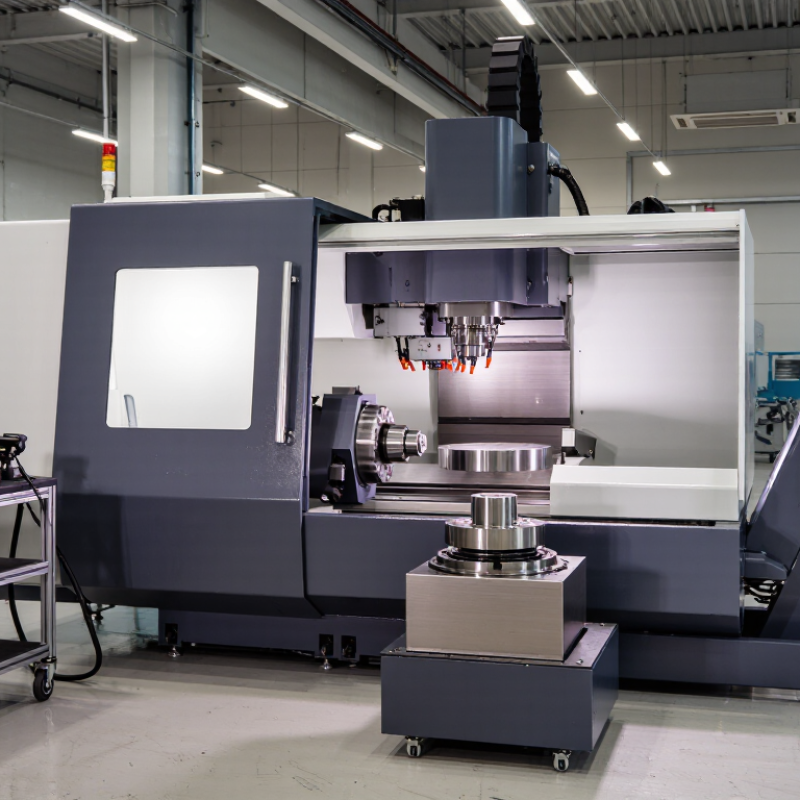
A 300mm horizontal machining center is generally defined by its pallet size, not by a promise that every 300mm-wide part will fit. The figure often refers to a pallet around 300 by 300 millimeters, though manufacturers may specify the dimension differently. Always check the machine’s drawings and work-envelope limits. The pallet is only the starting point.
Its spindle approaches the workpiece horizontally, while a rotary pallet can present several faces to the cutting tool. This layout suits parts with features on multiple sides, such as a compact valve body with intersecting bores. A part can remain clamped while the pallet indexes, reducing repeated setup. That saves time. It can also reduce alignment errors.
Capacity depends on more than pallet width. Consider workpiece height, weight, fixture clearance, spindle travel, and tool reach. A bulky vise or tall fixture may limit access even when the part appears small enough. Check the tool magazine and chip-management setup too; long cuts can produce chips that collect around deep pockets. In practice, the “300mm” label can be a little misleading. The exact usable space matters more than the number alone.

North of Industrial Road, Linqing Economic Development Zone,Liaocheng City, Shandong Province, China
w.eric@lucimagnet.com
Eric: 0086-15688878114
Surface Grinder Machining Center CNC Lathe Machine Boring and Milling Machines
Semiconductor Optics Automobile Molding Construction Machinery Shipping Aerospace Valve Industry Wind Power Industry Abrasives Industry Refractory Industry Ceramic Seal Industry Bearings Industry
Company Patent Certificates Factory Tour Team Member Our Partner Our History Real-time Factory Inspection R&D Strength Terms & Conditions Privacy Statement


© 2025 Shandong Linmo CNC Machine tool Equipment Co.,Ltd. All Rights Reserved.

